The Lamb and The Tyger,
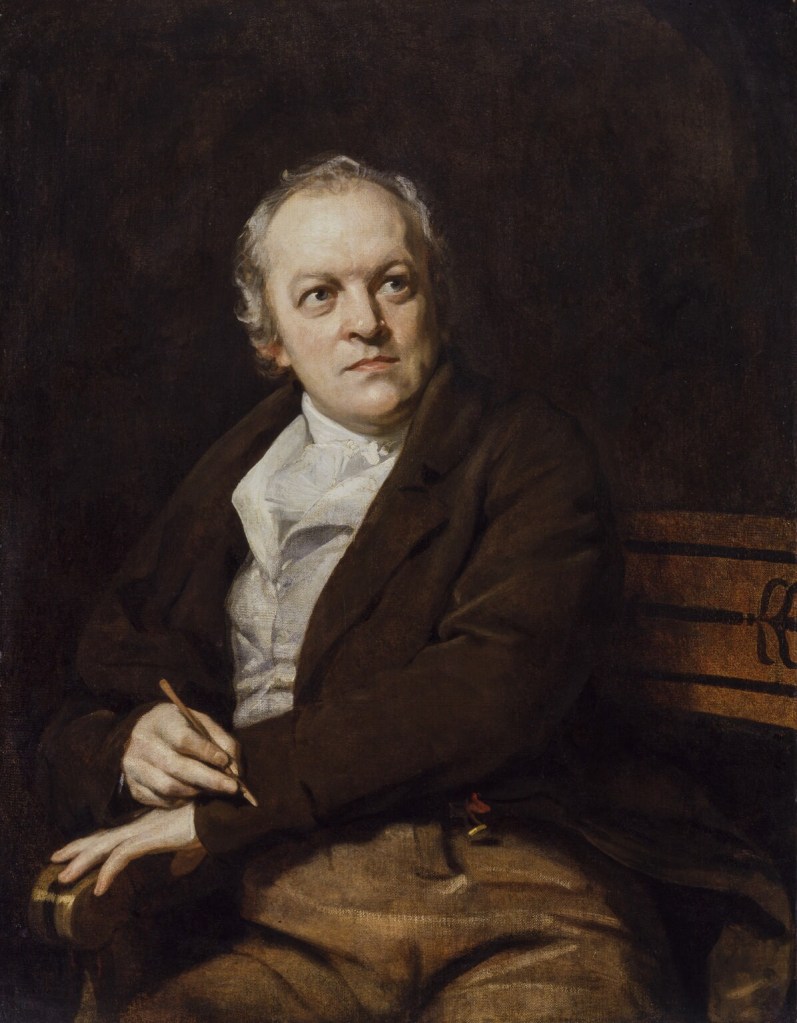
William Blake
🌗 Why The Lamb and The Tyger — together?
| Why are two such different poems placed side by side? | Because they are not just poems — they are two ways of seeing the world. Innocence and Experience are not opposites here — they are siblings. Each poem completes what the other cannot say alone. |
| Connection between the two poems. | The same eternal questions echo through both: Who made me? Why am I here? What kind of world is this? One asks them with trust. The other with terror. |
| Two such different poems are (literally) placed side by side. | Because they are not just poems — they are two ways of seeing the world. Innocence and Experience are not opposites here — they are siblings. Each poem completes what the other cannot say alone. |
| Relevance – Classroom and Students | Students live in both states. Sometimes they speak like the Lamb — hopeful, open. Sometimes, like the Tyger — skeptical, burning with doubt. |
| The goal of this unit? | To show that poetry holds both peace and fire. To teach students that real understanding lies in reading across differences. This is Blake’s gift to literature — and ours to pass on. |
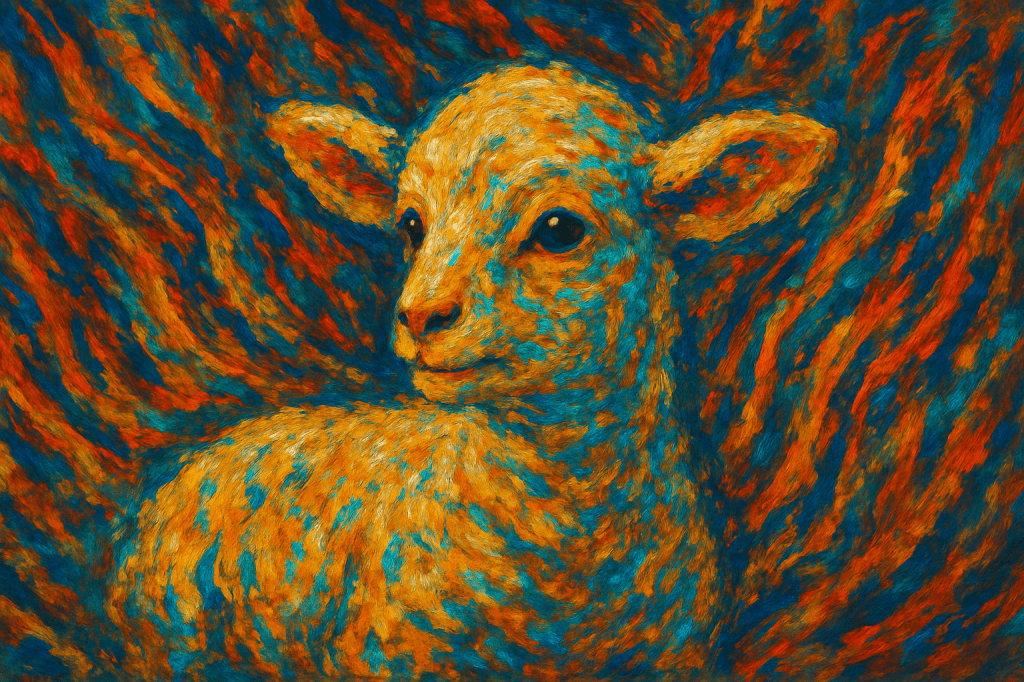
🐑 The Voice of Innocence – The Lamb
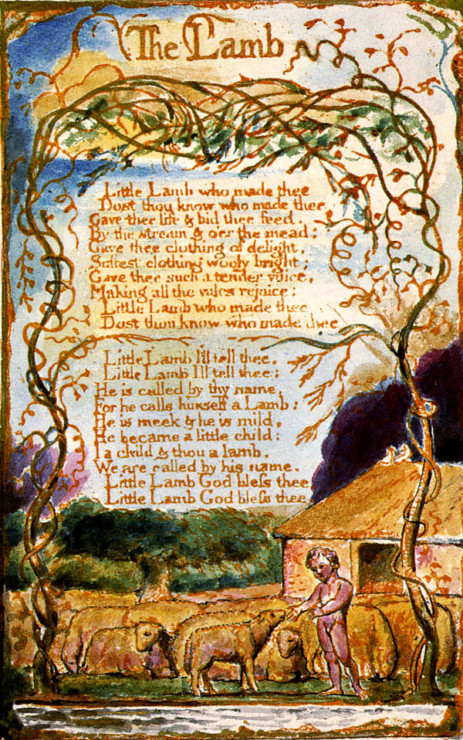
| Speaker of the poem. | A child, yes — but also something deeper: the voice of wonder before the world grows sharp. It is innocence speaking to innocence — gentle, certain, unafraid. |
| The lines, “Who made thee?” | Not a riddle. Not a challenge. It’s a question asked with the faith that someone kind will answer. This is not doubt. This is trust made into music. |
| Why is the Lamb repeated so often? | Because repetition is how children learn. It’s also how we remember what matters. The Lamb becomes more than an animal — it becomes a name, a symbol, a blessing. |
| Is this a religious poem? | Yes — but not just in doctrine. It’s spiritual in how it sees oneness in all things: “He is meek, and he is mild; He became a little child.” |

🐅 The Voice of Experience – The Tyger
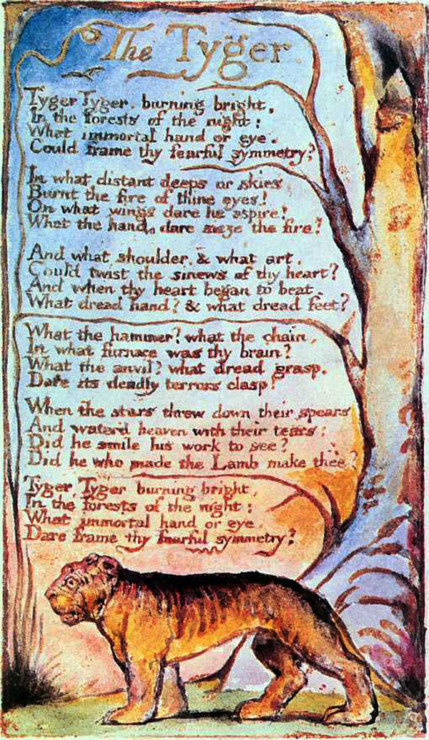
| What kind of voice speaks here? | Not innocent. Not safe. This speaker has seen too much to ask softly. The voice trembles — not with fear, but with the weight of knowing. |
| What is the Tyger? | A creature of terrifying beauty — perfectly made, dangerously alive. It is the face of power that doesn’t apologize. Not evil, not good — just unignorable. |
| Why is this poem full of questions? | Because experience doesn’t offer comfort. It demands meaning — and finds silence in return. The poem ends where it began. Nothing is answered. |
| “Did he who made the Lamb make thee?” | Ans. This is not curiosity. This is existential shock. How can one Creator make both the innocent and the fierce? This line links the two poems — and breaks open the human heart. |
| How do we teach this poem without simplifying it? | By letting students feel the burn of the question. Don’t rush to explain. Sit with the discomfort. This is poetry that haunts — not heals. |
♾️ Reading The Lamb and The Tyger – Together
| Are these poems meant to be compared? | Not just compared — completed. They are a conversation. This is not two texts — it is one doorway with two voices. One whispers. One roars. But both ask: who made me? |
| Q. What happens when we hear both voices? | Ans. We begin to see the full spectrum of human experience. Innocence believes. Experience questions. Together, they hold the mystery of being alive. |
| Q. Is one poem more “true” than the other? | Ans. No — they’re both true, at different times in our lives. Blake doesn’t choose between them. He asks us to hold both — gently, and with awe. |
| Q. How do students benefit from this duality? | Ans. They learn that doubt isn’t the opposite of faith — it’s part of it. They learn that literature can hold contradictions. And they learn to sit with questions, not rush for answers. |
| Q. What is Blake teaching us about creation? | Ans. That the world is not one thing. That light and dark, meekness and fire — all come from the same source. This is not a textbook lesson. It is a life lesson. |
📚 How to Teach This Unit – Practically, Poetically, Powerfully
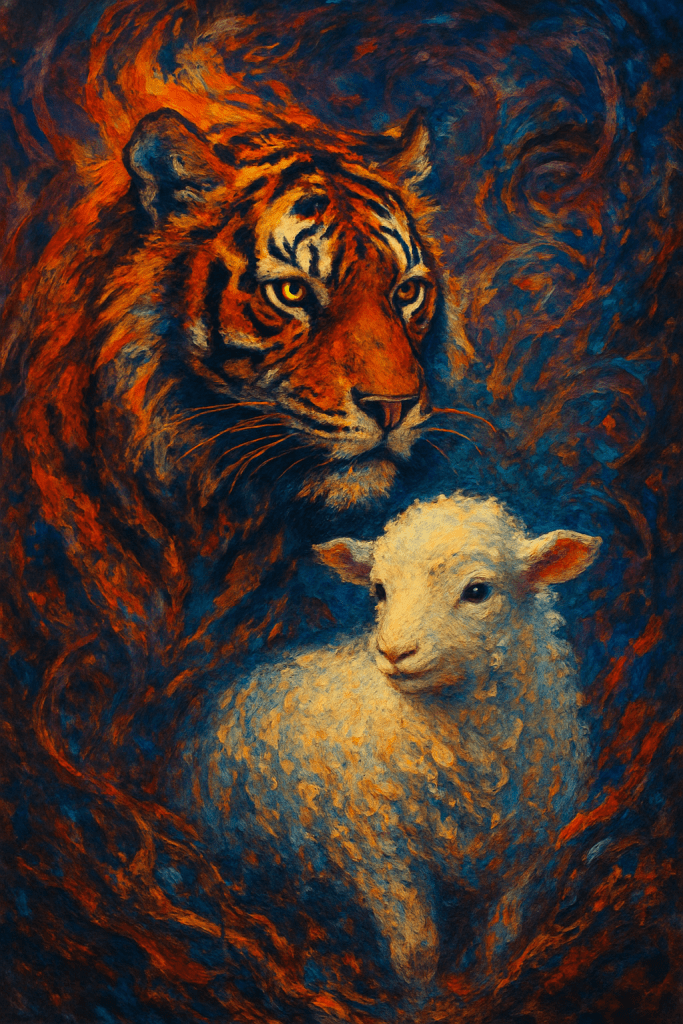
How do we approach teaching The Lamb and The Tyger?
Start with the softness of The Lamb — let students breathe the rhythm, the innocence.
Then, when they feel grounded, introduce the fury of The Tyger — the intensity will make sense after the calm.
| Q. What kind of activities will help students engage? | Ans. Reading aloud. Paired with expression. Let them feel the difference in tone. Encourage them to think, discuss, and debate — What does the Tyger see in the world? What does the Lamb feel when it sees the Tyger? |
| Q. What should we focus on when discussing both poems? | Ans. Contrast — not just opposites. Dive into what they share at their core — the mystery of existence and the sense that no matter how different, both poems ask the same thing: Why are we here? |
| Q. How can we make this lesson more personal for students? | Ans. Ask them: What part of you is a Lamb? What part of you is a Tyger? Let them reflect on where they are in their journey — and show them poetry can hold all of it. |
| Q. What is the big takeaway from this unit? | Ans. That poetry is not about finding answers. It’s about learning to ask better questions — and being brave enough to sit in the space between. Both the Lamb and the Tyger hold a piece of the world. The question is: can we hold both? |
🌿 In Conclusion
The Lamb and The Tyger may seem like opposites, but together, they offer our students a powerful truth: that innocence and experience are not enemies, but companions in the journey of understanding ourselves and the world.
Let’s teach these poems not just as texts, but as invitations — to wonder, to question, and to grow.
Thank you for sharing your time, attention, and thoughtful presence.

 Writings of Indra